
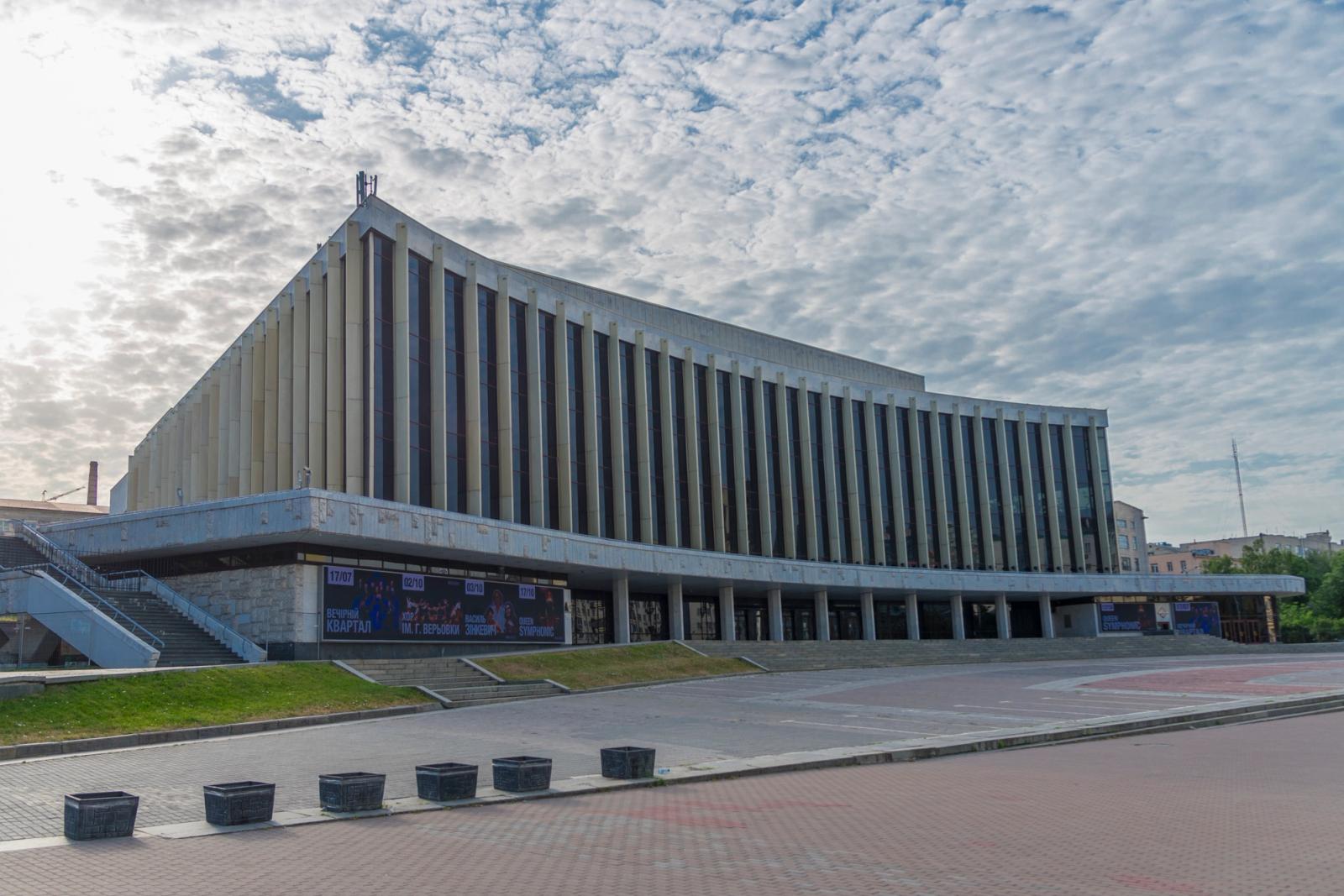
Kyiv · Historic Centre
Velyka Vasylkivska
History
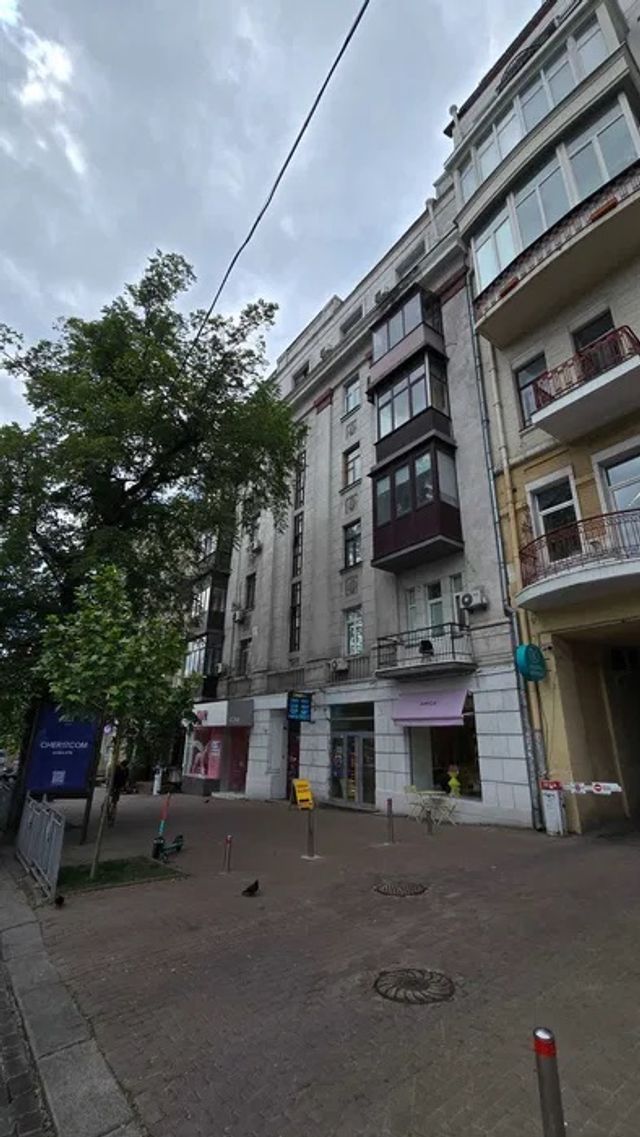
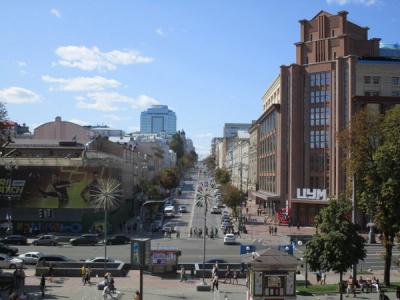
Velyka Vasylkivska was laid out in the early 19th century, a product of the late Russian Empire rather than the Soviet era, and grew into one of Kyiv's busiest thoroughfares, cutting across three central districts over roughly 3.8 km. Renamed Chervonoarmiiska (“Red Army” Street) under Soviet rule, it only regained its historic name in 2014 as part of de-Sovietization. The pre-revolutionary central stretch is lined with late-19th and early-20th-century brick income houses in Historicist and early Art Nouveau styles — No. 26, an ornate six-storey building completed around 1915-16, is typical. The neo-Gothic Church of St Nicholas at 75-77, built 1899-1909 by architect Vladyslav Horodetsky, anchors the late-imperial layer with twin spires and now doubles as the National Organ and Chamber Music Hall. Soviet-era additions include the National Palace of Arts “Ukraina” (opened 1970, No. 103) and the NSC Olimpiyskiy stadium at No. 55, rebuilt from the 1923 Red Stadium. At Bessarabska Square, the street opens onto the 1910-1912 Bessarabsky covered market.
Character
Velyka Vasylkivska is one of Kyiv's busiest arterials — wide carriageways, heavy traffic and a continuous street wall of 19th-century apartments, Soviet blocks and contemporary retail from Bessarabska Square down past Lva Tolstoho and Olimpiiska to Palace Ukraina. It reads as a genuine shopping and lifestyle strip, mixing Ukrainian designer showrooms with international brands, and a dense run of 24-hour venues keeps it active late into the night. Side streets and interior courtyards offer real quiet a block off the main carriageway, which residents specifically value. Architecturally, the sequence of neo-Gothic St Nicholas, the Soviet-modernist bulk of Palace Ukraina and the stadium bowl of NSC Olimpiyskiy creates a dramatic run of landmarks along an otherwise linear commercial-residential corridor. Compared to ceremonial Khreshchatyk, it feels more lived-in and continuous; compared to quieter Volodymyrska, it's busier and more traffic-heavy but compensates with round-the-clock venues and direct access to major concerts and matches.
Landmarks
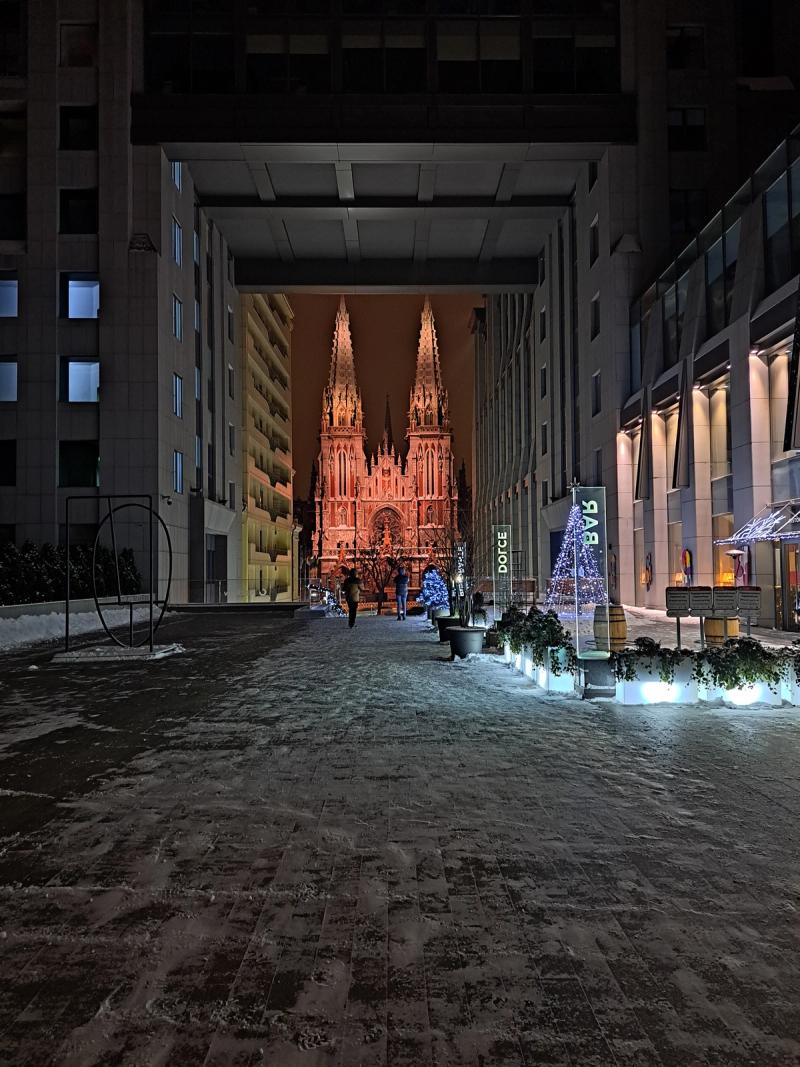
No. 75-77
Church of St Nicholas
A neo-Gothic church built 1899-1909 by architect Vladyslav Horodetsky, its twin spires among Kyiv's most recognizable silhouettes. Shared today between a Catholic parish and the National Organ and Chamber Music Hall.
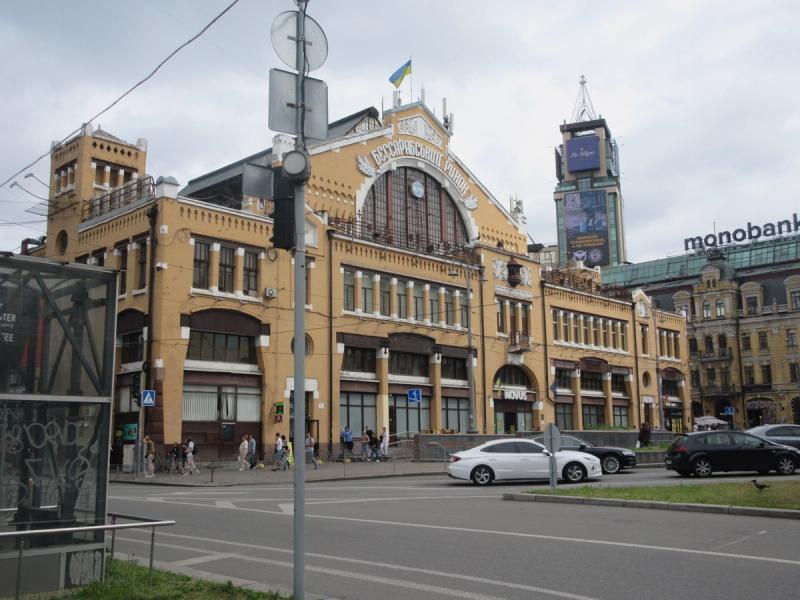
Bessarabska Square
Bessarabsky Market
A brick covered-market hall from 1910-1912 marking the northern start of the street, still functioning as an upscale food market over a century later.
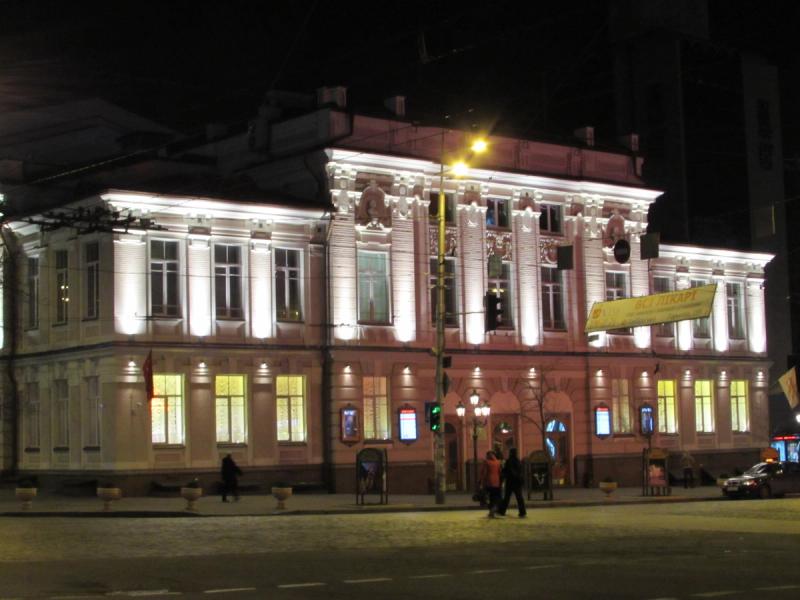
No. 53/3
Kyiv National Academic Operetta Theater
A 1930s theatre building and one of Ukraine's key musical-theatrical institutions, visually prominent near Olimpiiska metro.
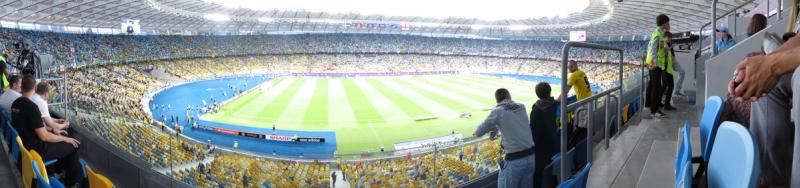
No. 55
NSC Olimpiyskiy
Ukraine's national stadium, rebuilt from the 1923 Red Stadium into a multifunctional arena hosting football matches and major concerts.
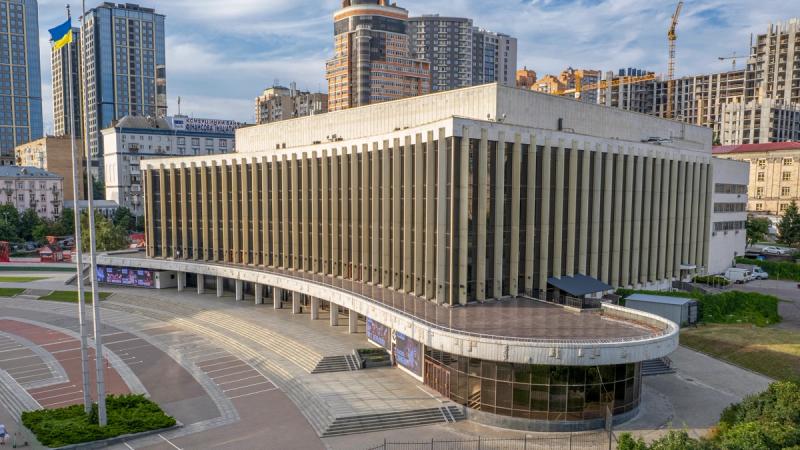
No. 103
National Palace of Arts “Ukraina”
A Soviet-modernist concert hall opened in 1970, seating 3,714 and still one of Kyiv's main venues for official events and large concerts.
Sights & Places
Cafes
- Takava Coffee-Buffet
- Idealist Coffee
Restaurants
- Under Wonder
Bars
- Parovoz Speak Easy
- AM Bar
Gallerys
- PinchukArtCentre
Shops
- Arena City / Mandarin Plaza
- Metrograd
Properties
Available on Velyka Vasylkivska
Why invest here
Velyka Vasylkivska's appeal is built on connectivity and cultural density rather than quiet prestige: four metro stations (Lva Tolstoho, Palats Sportu, Olimpiiska, Palats Ukraina) run beneath it, and residents can walk to the Operetta Theater, the Organ and Chamber Music Hall at St Nicholas, NSC Olimpiyskiy, Palace Ukraina and PinchukArtCentre without needing transport. An unusually high concentration of cafes, 24/7 restaurants and bars gives it genuine day-and-night urban life, while Bessarabsky Market and the Arena City/Mandarin Plaza complex cover both everyday shopping and higher-end retail. Real estate marketing explicitly calls it a “luxury street” in select buildings, and listings for better units stress designer renovations, secure entrances, quiet interior courtyards and wartime-relevant features like backup utilities and bomb shelters. Typical tenants split between business travellers and short-stay renters drawn by serviced apartments near Palace Ukraina, and professionals — including some embassy and NGO staff who commute across central Kyiv — who trade some noise for unmatched centrality and cultural access.
Related Streets
Interested in a property on this street?
We know which buildings on this street are worth owning, and which aren't. Tell us what you're looking for.
Get in touch