
Kyiv · Historic Centre
Bohdana Khmelnytskoho
History
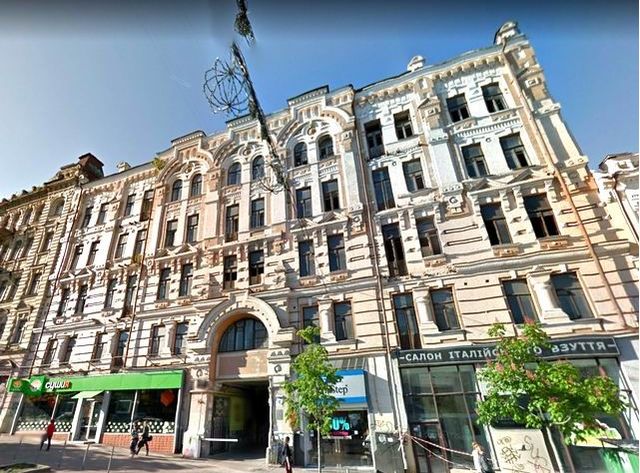
Bohdana Khmelnytskoho was laid out around 1837 as one of Kyiv's central thoroughfares, originally named Fundukleivska. Early-20th-century photographs already show it lined with four-storey rental apartment blocks, cobblestone carriageway and a tram line — a fully urban, bourgeois corridor before WWI. The dominant fabric is late-19th and early-20th-century tsarist residential stock in eclectic and classical styles, with the building at 12-14 registered from 1884 as a protected structure. At the lower junction, the Kyiv Opera House opened in 1901 in neo-Renaissance style, replacing an 1856 city theatre and anchoring the street's perspective from Khreshchatyk. The Soviet period added TsUM at the corner with Khreshchatyk, built 1936-1939 in Art Deco style with its original facade preserved through later reconstruction. Pavlo Galagan College, a private boarding school founded in 1871 at 11/1, later became the National Museum of Literature of Ukraine in 1986. No. 51-A hosted an underground printing house and Higher Women's Courses from 1906-1913.
Character
Walking central Bohdana Khmelnytskoho, from Khreshchatyk/Teatralna up to Universytet, feels like a compressed slice of historic Kyiv — tram lines and heavy traffic beneath continuous walls of ornate facades, ground-floor cafes and upper-floor residential flats and offices. The lower end near Teatralna metro is intensely urban, home to the iconic Kyivska Perepichka kiosk (operating since 1981) and Musafir Teatralna's Crimean Tatar hospitality. Further uphill the street turns more residential and civic, with the Museum of Kyiv History at No. 7 and the National Museum of Literature at No. 11 giving the block a daytime cultural tone, while near Universytet the presence of Taras Shevchenko National University and Fomin Botanical Garden brings students and academics without turning the facades themselves into a bar strip. Compared to Khreshchatyk directly below, it feels more intimate and residential; compared to Reitarska and Yaroslaviv Val, where Kyiv's trendsetting cafes and creative-scene bars cluster, Bohdana Khmelnytskoho reads as the “classical centre” — stylish, but built around offices, museums and long-term residents rather than explicitly alternative venues.
Landmarks
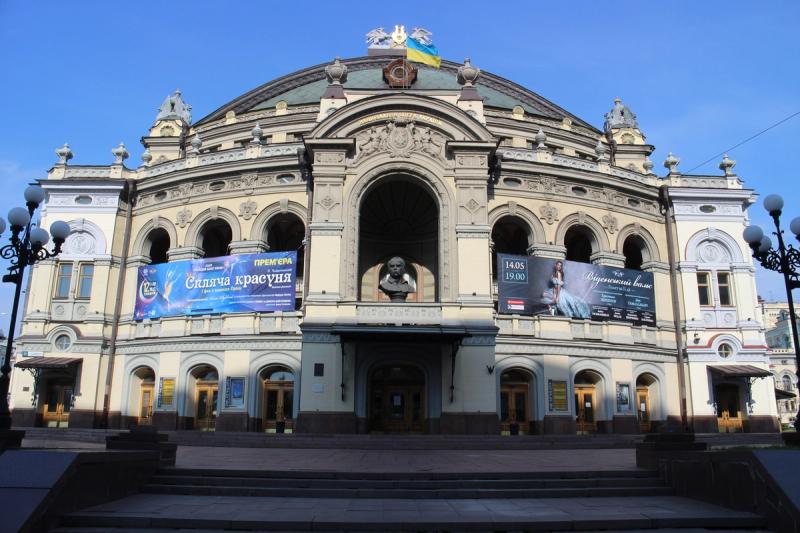
Volodymyrska 50, at the junction
Kyiv Opera House
A neo-Renaissance opera house built 1897-1901, replacing an earlier city theatre that stood since 1856. Its ornamented facade defines the view up the street from Khreshchatyk.
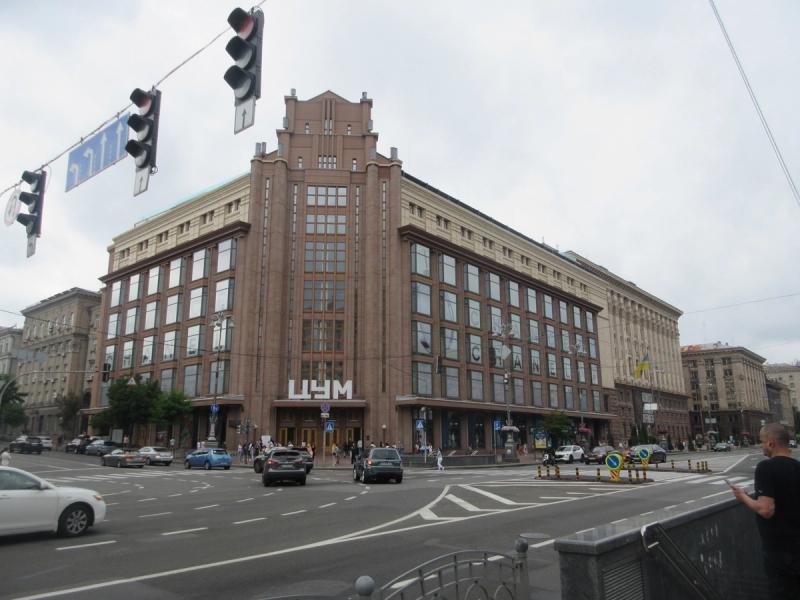
Corner with Khreshchatyk
TsUM Kyiv
Kyiv's flagship department store, built 1936-1939 in Art Deco style and reconstructed while preserving its original 1939 facade.
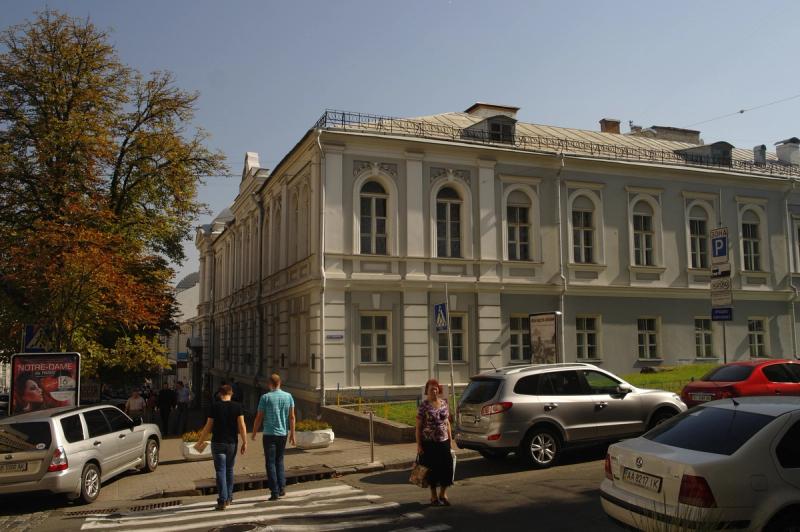
No. 11/1
National Museum of Literature of Ukraine
Housed in the former Pavlo Galagan College, a private boarding school founded in 1871; became a national literature museum in 1986.
No. 7
Museum of Kyiv History
Main exhibition centre of the Kyiv City History Museum since 2012, hosting history and art projects about the city.
No. 34A
11 Mirrors Design Hotel
A contemporary design-driven boutique hotel with a panoramic rooftop restaurant and bar overlooking the historic centre.
Sights & Places
Cafes
- Kyivska Perepichka
- Lvivski Plyatski
Restaurants
- Musafir Teatralna
- Mafia
- Dejavu
- 11 Mirrors Rooftop Restaurant & Bar
- True Burger Bar
Bars
- Barrel Pub (Bochka Pub)
Parks
- Fomin Botanical Garden
- Taras Shevchenko Park
Properties
Available on Bohdana Khmelnytskoho
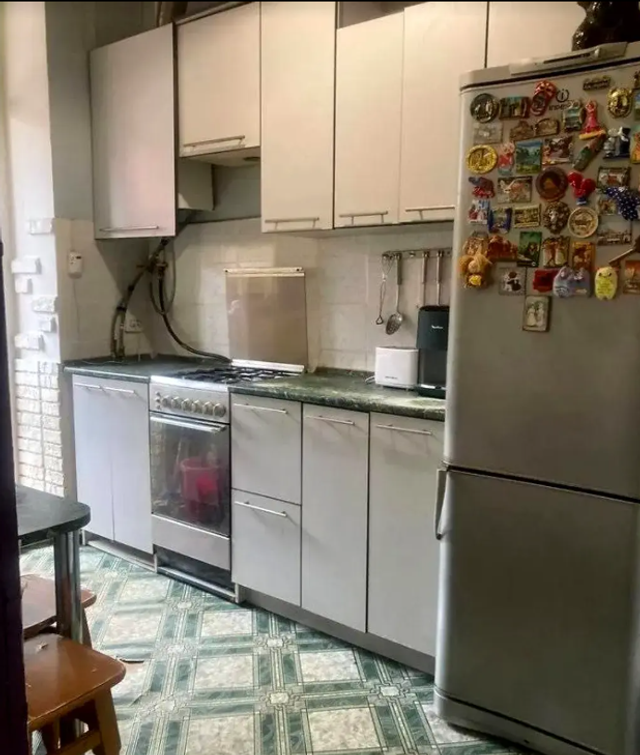
BOHDANA KHMELNYTSKOHO ST., 78
52 sq.m · Fl. 3/6 · 2 Bdr
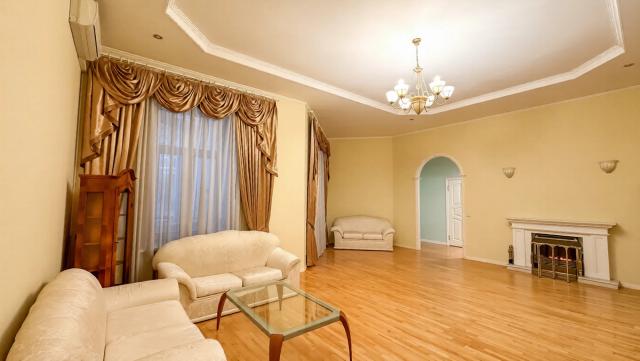
BOHDANA KHMEL’NYTS’KOHO ST., 10a
88 sq.m · Fl. 3/5 · 2 Bdr
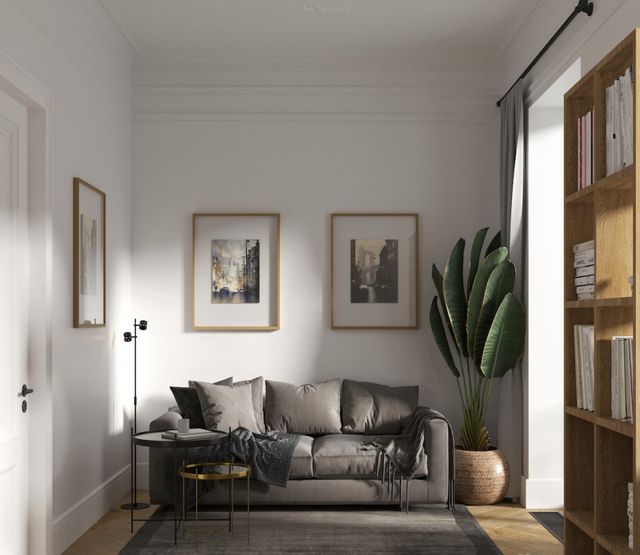
BOHDANA KHMELNYTSKOHO ST., 32
148 sq.m · Fl. 4/6 · 3 Bdr
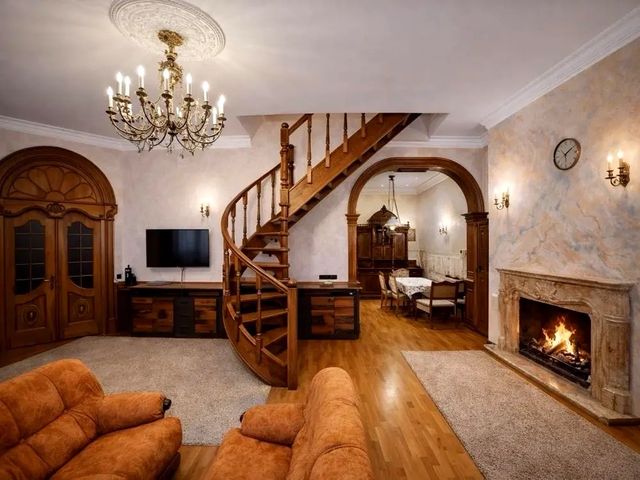
BOHDANA KHMELNYTSKOHO ST.78
225 sq.m · Fl. 6/7 · 4 Bdr
BOHDANA KHMELNYTSKOHO ST., 32
280.4 sq.m · Fl. 6/7 · 6 Bdr
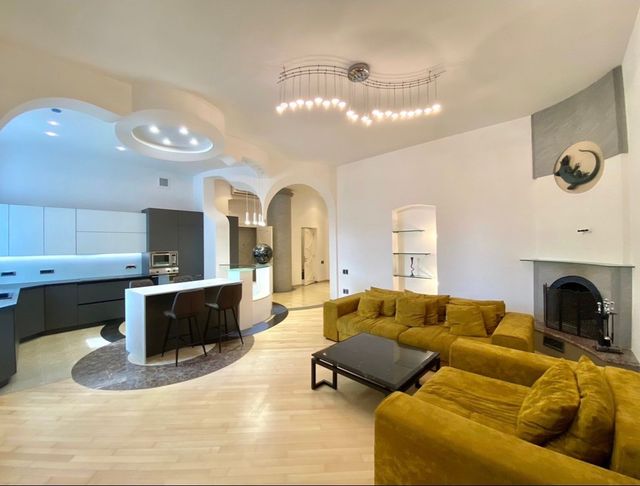 Rented
 BOHDANA KHMELNYTSKOHO ST.72
159 sq.m · Fl. 3/4 · 2 Bdr
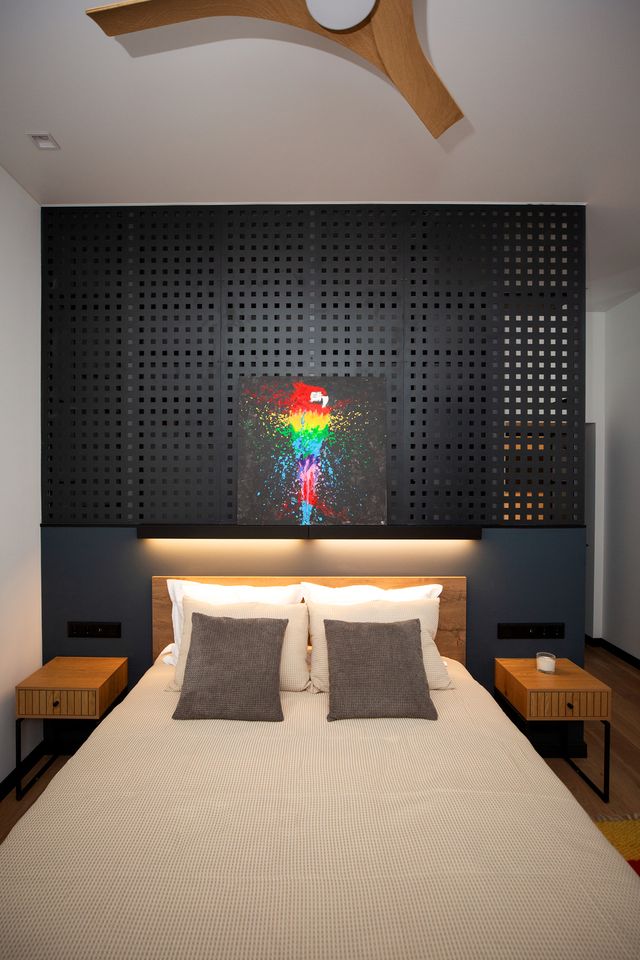 Rented
 BOHDANA KHMELNYTSKOHO ST.66
75 sq.m · Fl. 2/6 · 2 Bdr
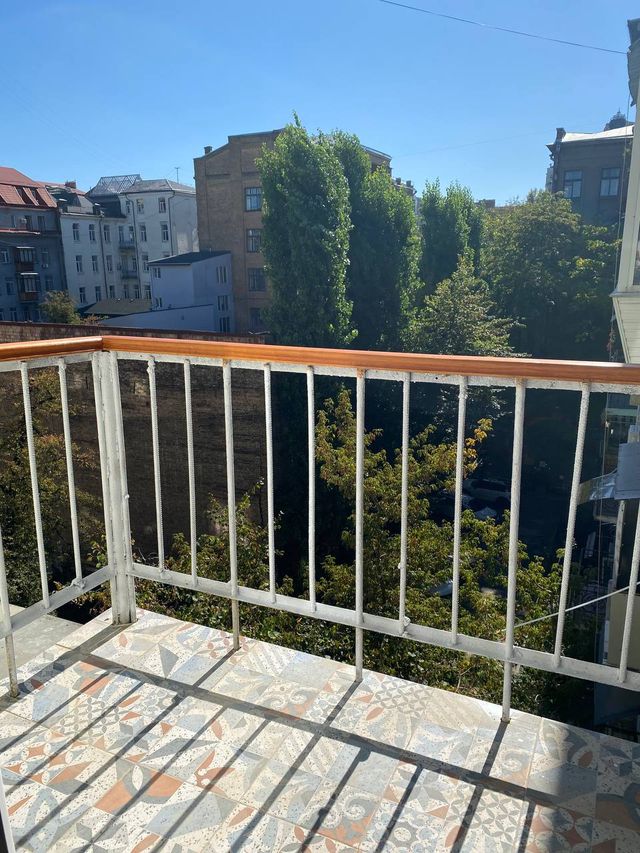 Rented
 BOHDANA KHMELNYTSKOHO ST., 9
82 sq.m · Fl. 5/6 · 2 Bdr
Why invest here
Bohdana Khmelnytskoho links Khreshchatyk to Universytet and sits flanked by two stations on the metro's main red line, putting the opera, TsUM, Khreshchatyk's retail, two major parks and the university campus within a ten-minute walk of most addresses. Housing stock is genuinely scarce and premium: real estate listings consistently stress pre-revolutionary buildings with 4-4.5 metre ceilings and classical detailing, alongside modern complexes like the “diplomatic club house” at 58A offering penthouses, underground parking and security for those who want contemporary comfort on a central address. Cultural and institutional density shapes demand — the National Opera, Museum of Kyiv History, National Museum of Literature and Taras Shevchenko National University draw academics, cultural workers and long-term foreign staff. Agencies specialising in high-end housing for foreign clients specifically showcase properties here, and the diplomatic-club branding at one building points to a resident mix of embassy personnel, corporate managers and affluent local professionals. Iconic everyday amenities — Kyivska Perepichka, destination dining at Musafir and 11 Mirrors rooftop — let tenants live a genuinely car-free, urban life while staying steps from Kyiv's most trendsetting side streets.
Related Streets
From the blog
Reading on Bohdana Khmelnytskoho.

Blog
How to Raise Happy Children in Kyiv or Real Story of One Mom
Almost every one of us at least once in our lives has heard this cherished phrase from mom or dad “You will understand when you have your children.” At a young…
May 2021
Read more →
Blog
Adventures of pets in Kyiv
Our life is a continuous mosaic of feelings, people, events, dreams, and experiences. They all form a chaotic picture of our path. How important it is that…
June 2021
Read more →Interested in a property on this street?
We know which buildings on this street are worth owning, and which aren't. Tell us what you're looking for.
Get in touch