
Kyiv · Historic Centre
Pyrohova
History
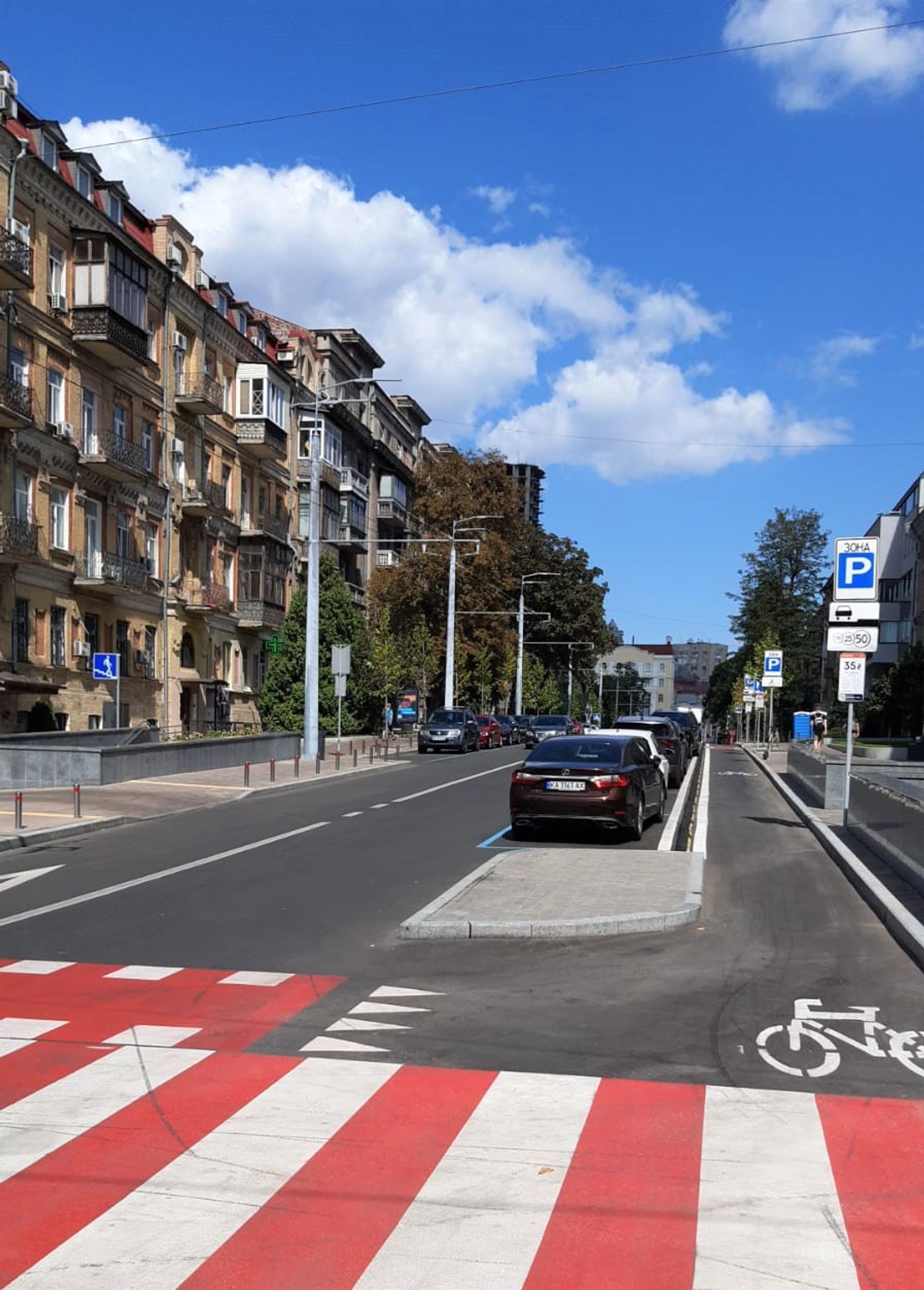
Pyrohova has existed since the 1850s as Bolnychna (Hospital Street), running through hospital grounds next to Kyiv University's anatomical theatre. Renamed Pyrohovska in 1869 for surgeon and educator Mykola Pirogov, it took its modern spelling in the 1970s without a formal renaming. The area, Afanasivskyi Yar, developed in the late Russian Empire, so its earliest buildings are late-tsarist, later joined by Stalin-era stalinkas and Soviet institutional blocks. The residential house at No. 2, built 1938 by architect G. Shlakanyov for staff of the Ukrainian SSR's Commissariat of Public Utilities, is a typical robust pre-war Stalinist brick building with high ceilings. In 1902, the house at No. 6 opened Kyiv's first ambulance station. The National Pedagogical University named after Mykhailo Drahomanov occupies No. 9, and the National Institute for Strategic Studies sits at No. 7-a. Recent capital renovation of utilities and paving has modernised the streetscape while keeping the historic buildings intact.
Character
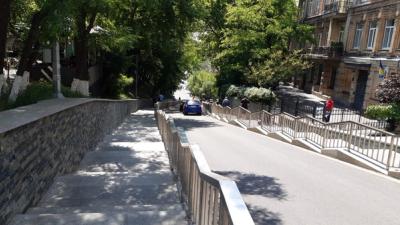
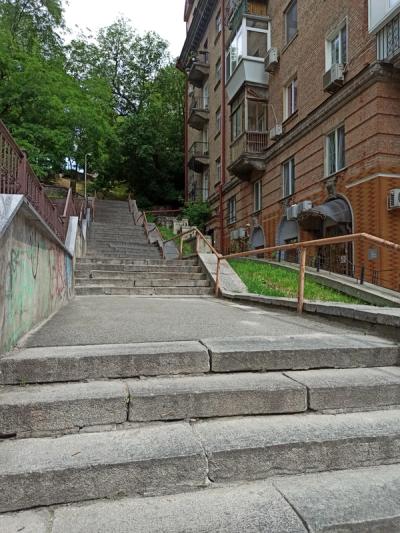
Pyrohova is a calm, tree-lined pocket two minutes from Universytet metro and the edge of the A.V. Fomin Botanical Garden, with mature trees and mid-rise brick buildings giving it a green backdrop rare this close to the centre. Despite sitting 10-15 minutes from Zoloti Vorota, Teatralna and Khreshchatyk, residents describe the street itself as quiet, with closed courtyards and little through-traffic. The resident mix leans academic and professional — staff and students tied to Drahomanov University and nearby Taras Shevchenko University, alongside expats and embassy or NGO staff drawn to the Golden Gate-Universytet-Lva Tolstoho triangle. The feel is cultured-residential rather than bohemian: renovated pre-war and Stalinist buildings, a boutique patisserie-restaurant, an Italian restaurant, and quick access — 5-10 minutes — to livelier bar clusters on Olesia Honchara and Yaroslaviv Val without carrying that traffic itself. Compared to Bohdana Khmelnytskoho, which is busier and more commercial, or the broader Taras Shevchenko Boulevard, Pyrohova is smaller-scale and leafier, trading venue density for direct botanical-garden proximity.
Landmarks
No. 2
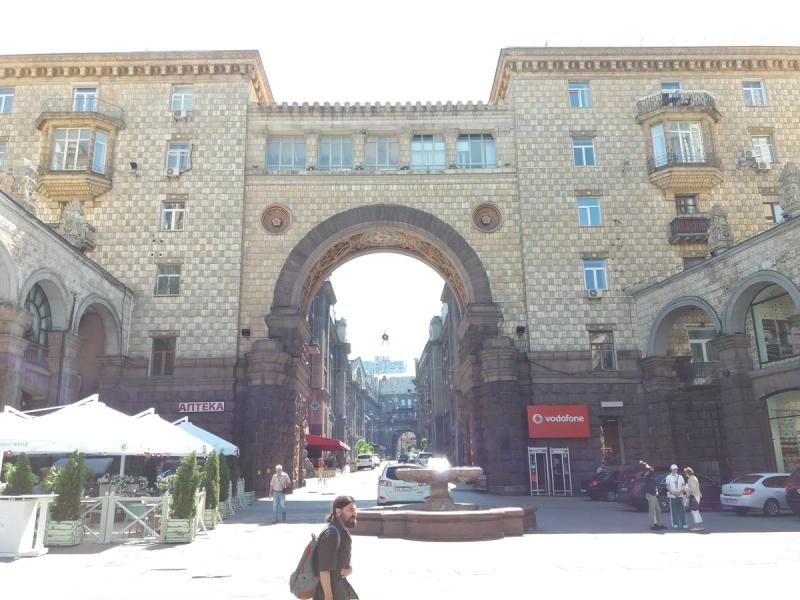
Residential House of Narcomgosp
A 1938 Stalin-era brick apartment building by architect G. Shlakanyov, built for staff of the Ukrainian SSR's Commissariat of Public Utilities. High ceilings, opposite Universytet metro.
No. 9
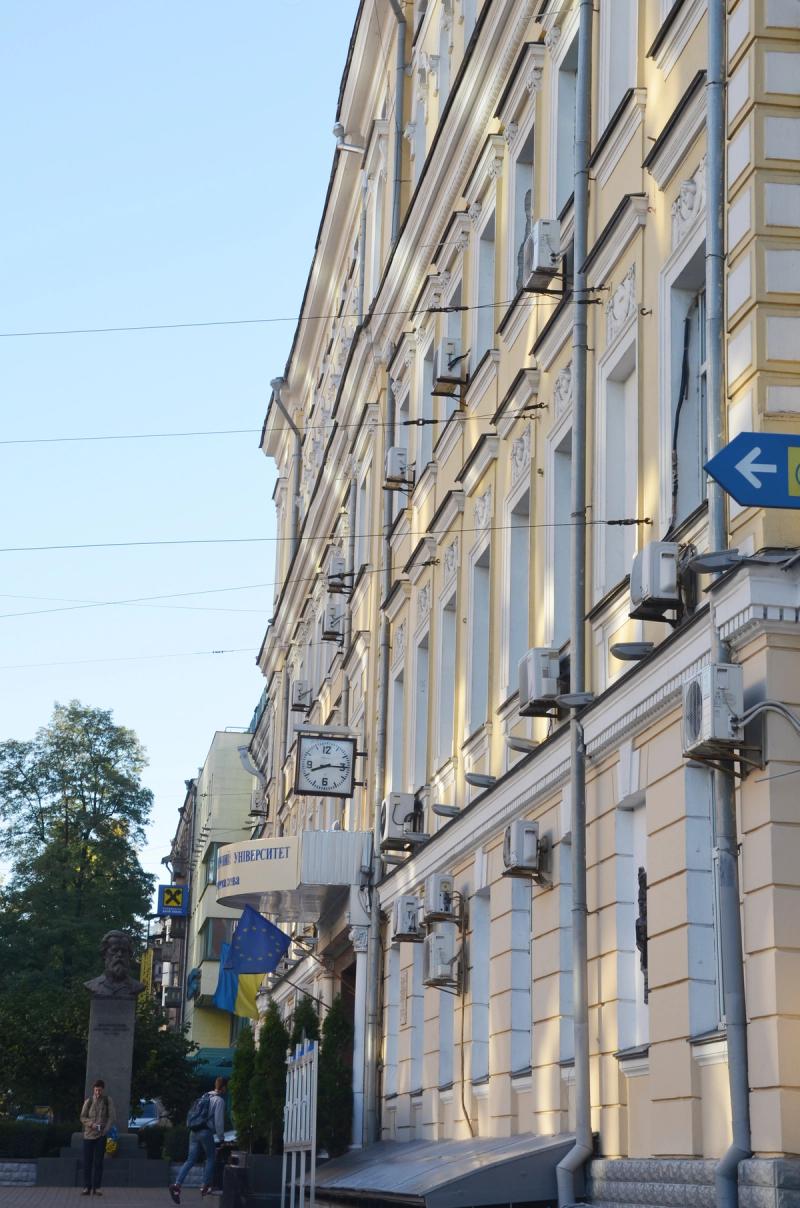
National Pedagogical University (Drahomanov)
Main building and scientific library of the National Pedagogical University named after Mykhailo Drahomanov, anchoring the street academically.
No. 7-a
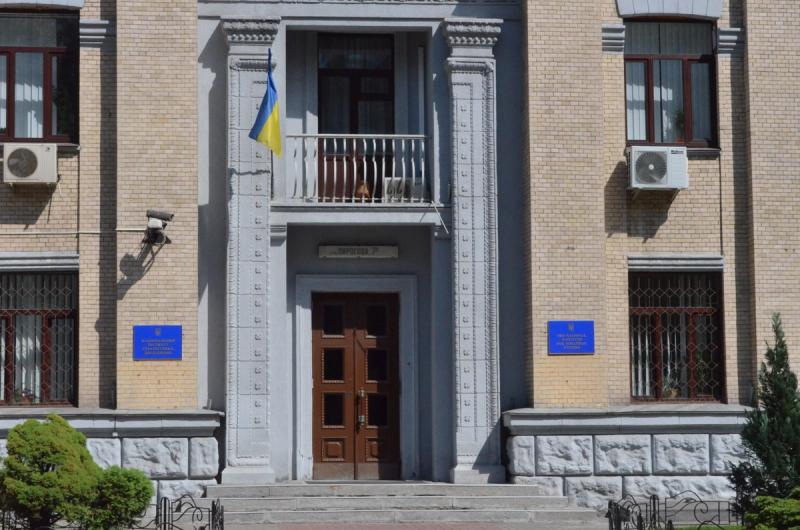
National Institute for Strategic Studies
A state analytical and advisory body headquartered on the street.
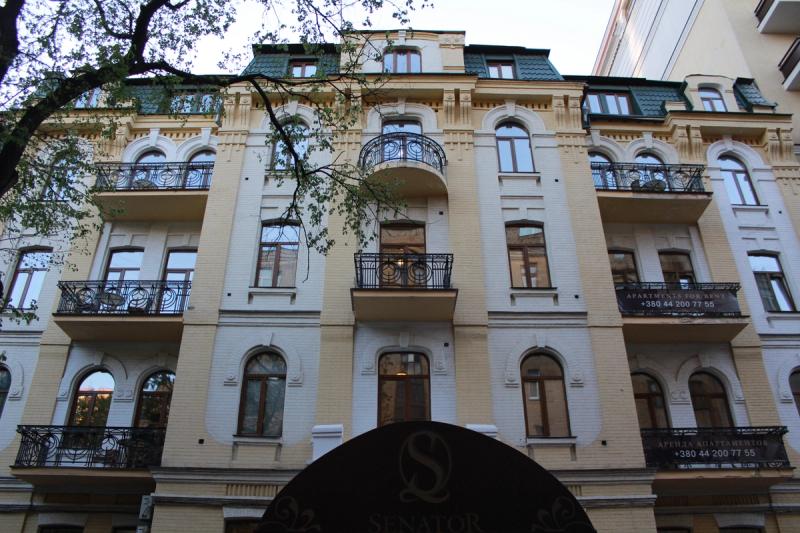
No. 6
Site of Kyiv's First Ambulance Station
Kyiv's first emergency medical station opened here in 1902, part of the street's long association with medicine and the old university hospital grounds.
Sights & Places
Cafes
- 202°F
- Hlibna Kava
- Ulitka Coffee Bar
Restaurants
- Restaurant & Patisserie “Surprise”
- FLO
Bars
- Fog Factory Bar
- True Burger Bar
Parks
- A.V. Fomin Botanical Garden
- Honchara Square
- Chkalov Square
Shops
- Fora
Properties
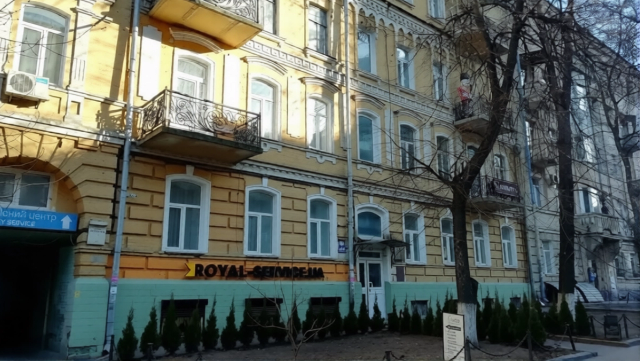
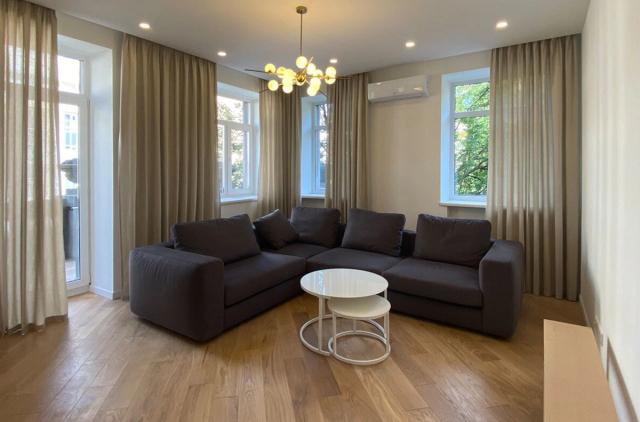
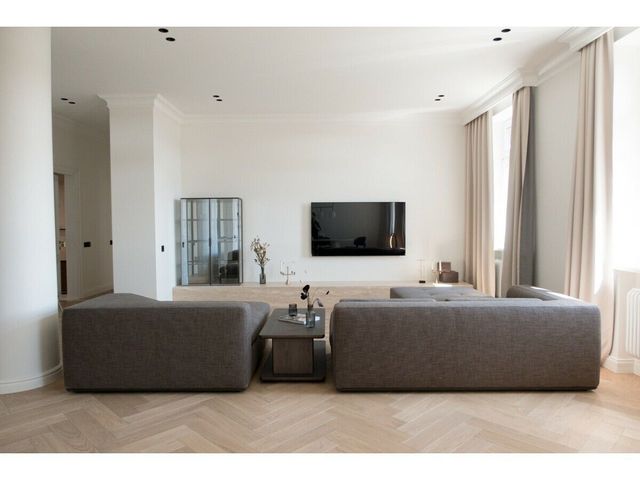
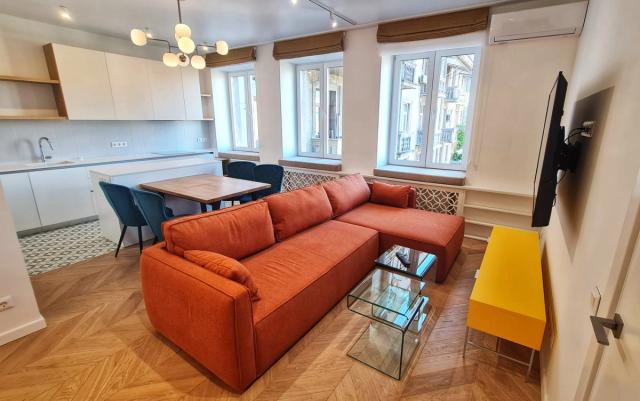
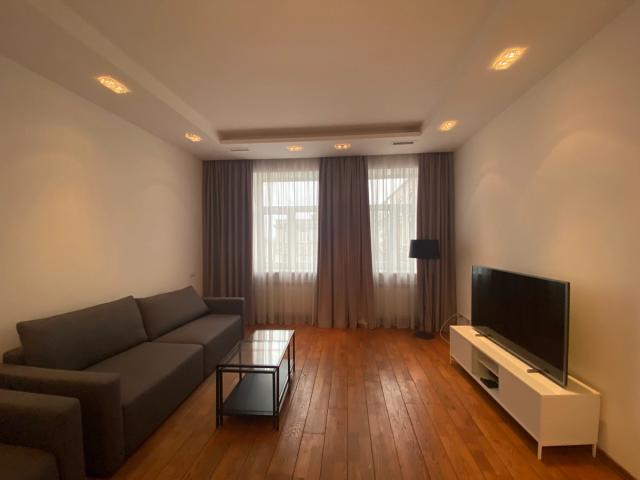
Available on Pyrohova
Why invest here
Pyrohova's core appeal is a combination rarely found together in central Kyiv: genuine centrality, direct green-space adjacency, and pre-revolutionary or Stalinist architectural texture. An analysis of Kyiv's prime rental market identifies the Golden Gate-Universytet-Lva Tolstoho triangle, where Pyrohova sits, as the top choice for relocating expats and senior NGO or embassy staff — more than 60% of the city's embassies and international organisations cluster in this Shevchenkivskyi core. Apartments overlooking the Fomin Botanical Garden are structurally scarce, and agents describe a persistent shortage of expat-suitable 90-100 sqm two-bedroom units in this micro-area, keeping rental demand high whenever international organisations staff up. Typical tenants split three ways: expat managers and diplomats who want a walkable historic base near Golden Gate's embassies; Ukrainian professionals who want centrality without Khreshchatyk's noise; and academics and university staff tied to Drahomanov and Shevchenko universities next door. A dense but not overwhelming cluster of cafes, restaurants, supermarkets and fitness clubs within a 3-5 minute radius makes daily life functionally a 15-minute city, while architecturally distinct stock gives tenants more character than typical panel housing further out.
Related Streets
Interested in a property on this street?
We know which buildings on this street are worth owning, and which aren't. Tell us what you're looking for.
Get in touch